Nurturing Creativity with ADHD (Attention Deficit Hyperactivity Disorder)
Adapting to Life Transitions
Communicating as a Couple
Rebuilding after Loss & Grief
Coping with Physical Disabilities
Connecting with Spirituality
Managing Anxiety & Depression& Post Traumatic Stress Disorder
 Anxiety, depression and PTSD occur for many different reasons and can stem from various life experiences and dysfunctional familial history. As with any mental or emotional difficulty, learning more about what you are dealing with is the first step to making changes. Anxiety can stem from a situation or be chronic. It can be general or specific, as in a phobia. Depression also has variations in how it looks, and degrees of how it affects a person. Bi-polar disorder, which has cyclical periods of depression and mania, covers a broad spectrum. There is greater awareness of how traumatic events reside in the body and mind and can be unexpectedly triggered. Learning about your triggers and doing trauma focused work can be life changing.
In dealing with negatively impacting thoughts, beliefs and behaviors, we can work to discover and forge new, more useful approaches. I utilize self-acceptance, mindfulness, emotionally focused individual treatment and EMDR (eye movement desensitization reprocessing) to aid you in your healing journey to live a more fulfilling life.
Nurturing Creativity with ADHD (Attention Deficit Hyperactivity Disorder)
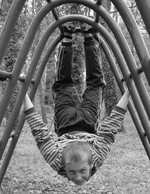 For many people, dealing with adult attention deficit hyperactivity disorder includes a variety of traits which can create roadblocks in life. If you find yourself: easily distracted, frequently forgetful but sometimes able to have excellent recall, impatient or frustrated, spacy or foggy at times, inconsistent or underachieving, disorganized or having time management problems, impulsive or procrastinating; you might look further into the possibility that you are dealing with ADHD. Like other diagnoses, there is a broad spectrum of how this affects a person. Learning how your brain works, and recognizing that there are positives as well, which can include originality in thinking, having passionate interests, being generous, helpful to others, being humorous and highly creative.
I will work with you to identify your challenges, barriers and positive attributes, especially your creative abilities. We will also focus together on developing strategies that work for you. In the case of adult ADHD, the ancient Greek aphorism “know thyself” is perhaps the most important key to living well with the brain you have.
Adapting to Life Transitions
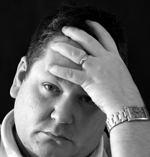 Change is found at many different points in the life spectrum; you might be new to parenting, or in giving care to your elderly parent. You might be a new college student trying to adjust, or a returning veteran trying to readjust. You might have started a new job or be entering retirement. Perhaps you are recently married or maybe you have just moved to a new area. Change can be positive or negative, but in either case, stress can result.
I assist people in developing self-care strategies to use during these, and other, life transitions. Reviewing past changes during your life helps to identify your style of adaptation. I have heard "I don’t like change" from many, many people. All of life is full of transitions. We might not like them, but when we learn how we can best live through these times of change, we realize how critical it is to our mental health and well-being.
Communicating as a Couple
 I also work with couples to improve relationships through examining emotional connections and improving communication skills. Recognition of your childhood emotional legacy and how your emotional brain functions are important antecedents to improving communication. By improving awareness of self, each of you can then begin to sort out your own needs and those of your partner. Looking at your common values and those aspects of each other that you appreciate is an important part of strengthening your relationship.
My training and approach utilize a method developed John Gottman. Unless your relationship is extremely damaged from longstanding resentments, I encourage you to explore growth through couples counseling. Having the intention and making the commitment to improve your relationship enables positive change to occur.
Rebuilding after Loss & Grief
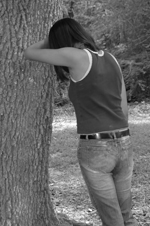 My initial focus and specialty was in the area of thanatology and bereavement care. I continue to see adults, children and teenagers who are dealing with loss and grief from death or a divorce. Although grief is a normal human experience, it can be one of enormous pain. Loss impacts our thoughts, how we feel emotionally and physically, our interactions and relationships with others, and the deepest spiritual core of our being. Our society focuses on "getting over it" and "being strong." The inner struggle that many go through following a loss is compounded by this societal expectation.
Being able to discuss your loss and express your own reality with a neutral person can help you work through your own unique grief process. I provide compassion, encouragement, information and feedback to you. Taking time to grieve and reintegrate following a loss is integral to rebuilding your life. It takes courage to decide to do your grief work.
Coping with Physical Disabilities
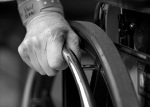 I have worked with people who are living with chronic and/or disabling physical conditions. Whether you have lived your whole life, a part of your life, or you are newly dealing with a chronic illness or impactive physical condition, you probably are confronting this daily. Testing your ability to cope can be demoralizing. Anxiety and depression can surface, compounding your situation. Long Covid is a more recent chronic condition that many are facing. It is important to receive emotional and psychological support to help confront these challenges.
I will work with you to identify your strengths and your style of coping. Coping well enough is a mental concept that can help you to shift your perspective from feeling hopeless or having unrealistic expectations, to a place of acceptance and greater confidence. Being able to express your frustrations as well as explore coping strategies can help you live more fully.
Connecting with Spirituality
 We are complex beings with delicate intertwining of the mental, emotional, physical, social and spiritual aspects of ourselves. By participating in therapy you are giving yourself the opportunity, if you choose, to explore your spirituality as part of your growth and resolution of inner conflicts. I honor your spirituality as your own and recognize that it is deeply person.
You might ask yourself:
•What is meaningful to me and helps sustain me through difficult times?
•Do I hold anything sacred? How do I define that for myself?
•Do my problems affect me spiritually?
Your answers will reflect your individual beliefs and will vary greatly from person to person and among different cultures, as well as at different stages of your life. Perhaps your answers will be a positive resource for you during the therapeutic process and will enhance your spiritual growth.